Monday, August 30, 2010

New Texturizing Solutions

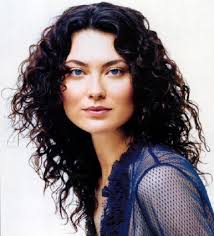
There are two four-letter words in hairdressing: bang and perm. When it comes to perms “We now say ‘body’ or ‘movement’ or ‘texture'. Whatever you choose to call them—texturizers, waves or perms—the technology has come a long way.

Demand is on the rise as texture has become increasingly fashionable. The whole process of creating curl has changed dramatically from the days of strong chemicals, perm rods and end papers.


In 1938, Arnold F. Willatt invented the cold wave. It used no machines and no heat. Hair was wrapped on rods and a reduction lotion containing ammonium thioglycolate was applied, breaking open the disulfide linkages between the polypeptide bonds in the keratin (the protein structure) in the hair. The disulfide bonds give hair its elasticity, and can be reformed with chemicals. Next, an oxidation lotion was applied, (hydrogen peroxide), to close the disulfide bridges again and the hair was reformed to the shape of the rod. The entire process took six to eight hours at room temperature.

A Kinder, Gentler Perm
The new generation of perms are much gentler, with lower pH and low ammonia. The application also has changed a lot from using perm rods and end papers. Today’s tools are flexible and soft offering a wider variety of shapes and size of wave or no tools at all. Freehanding pin curls and processing those is a good idea. You can do just about anything you want. There is so much variety now, and that carries over to the textural spectrum.It’s not just about different cuts and color today. It’s about being able to create and control different textures in any kind of hair.
Things to know about perms
A quick guide to perm terms.

* Root Perm: The root perm adds volume at the root of the hair to give lots of body. It’s also perfect for already permed hair that’s looking for a little pick-me-up. Because only the roots are treated, it saves the rest of the locks from another treatment.
* Body Wave Perm: Creating big, bouncy curls, the body wave is for curl lovers who want a more modern look. Because this perm uses larger perm rods than traditional perms, the length of your client’s hair will determine how curly it will be: the shorter, the curlier.
* Weave Perm: Because you’re curling only partial sections of the hair, the weave perm will give your client a fusion look with both textured and straight pieces in her hair.
* Stack Perm: The stack perm is made for women who have a one-length cut. The treatment creates soft, layered curls for a natural look and is achieved by the use of differently sized rollers to the middle and bottom sections of the hair. The top is typically left fl at to look more natural.
* Acid Perm: While it sounds harsh, the acid perm is actually gentler than the traditional alkaline perm as it has a lower pH level. It is specifically made for those with sensitive, fragile, or damaged hair.
* Exothermic Perm: Referring to the gentle, internal heat that is characteristic of this treatment, the exothermic perm speeds up the processing time. The heat allows the lotion to absorb quickly into the hair, conditioning and strengthening the cuticle from the inside.

Tuesday, August 24, 2010

How To Get The Hairstyle You Really Want

We've all left the salon with a cut that's too short or a color that's just a bit off. If we could just figure out how to nail down what we want instead of hit here and miss there life would be a lot simpler. Right? Well, Here are seven tips to getting the perfect cut and color out of your stylist. Also, find out if you're guilty of customer habits that the typical stylist hates.

Pick the Right Stylist


Big One. Choosing the right stylist from the beginning of the process is absolutely the most important step in getting the style you desire. Your stylist should be well versed in industry lingo but also be able to translate terms into a language you can clearly understand. Your stylist should continuously be educating themselves in the latest industry products and techniques. If it's been more than a month since their last educational event, it's a safe bet you'd be better off going to a different hairdresser.

Schedule a Consultation

Even though we all know we're supposed to sit down for a chat with a new stylist before a cut or color, consultation before a dye-job,very few women actually do it.

If you are trying out a new look or a new stylist, schedule a 10-15 minute consultation when you book the appointment. The stylist needs to see what your hair looks like dry and styled as you typically style it. This tells him or her a lot: How much time you really put into your hair each day, how your hair dries and how healthy your ends are what type of products you're using etc.

The goal of a consultation is to make sure you and your stylist are on the same page before drastic changes are made to your look.

Bring Pictures

Nothing is more difficult for a stylist than for someone to sit down in their chair and try to explain the cut or color they want without a picture. Imagine if someone said, "I want to look like Cameron Diaz." Cameron Diaz blonde or brunette? Cameron 2001 or 2010? And what does she look like nowanyway? Bring a picture or 2 or 3.

As for color, never rely on salon-speak. Ash blonde to your stylist may mean butter blonde to you. Show a picture of what you like and ask your stylist to show you an example of the color she'll be after.

Never Say " Do whatever you want"

You can never assume that what you envision and what your stylist's muse of the day is will be the same thing. Most often they're not even close. You want your stylist to give his or her opinion but the ultimate decision has to be up to you. Nothing is more frustrating to a hairdresser that to put that perfect look on a client and the client hates it.

Show It, Don't Say it

Want three inches off the length. Hold you hand up to your hair and show your stylist what three inches looks like to you. Even better, take your hand and hold it where you would like it to fall and have your stylist step back and get a good visual. He or she may have some suggestions but you will both be clear on what the end result should look like.


Prepare Questions and Listen to Your Stylist


Before the consultation prepare any questions you may have before the appointment. If you don't, chances are you won't remember all of them during the consultation.
Ask questions like,"what type of hair suits me", "will I be able to style it myself"
"what type of maintenance is involved.
Listen to your stylist's answers and make informed decisions.

Be Honest

Tell your stylist what you've done to your hair in the past. Nothing is worse than a client not telling their stylist about that perm they had 2 months ago and stylist assuming they're just working with curly hair.
Your hair has a history and the more of that history the stylist knows the more effective he or she can be.

Be Nice, Tip

If you're stylist has done a good job, let him or her know it.

TIP

Thursday, August 19, 2010

Why You Need A Massage ...Today!!!

You have just had an extremely stressful week and next week does not look any better. What do you do to ease the stress? Get a massage! Human touch has a healing effect and massage is extremely therapeutic, not just for
relieving stress. Although studies have shown that a thirty minute massage lowers the levels of the stress hormones cortisol and norepinephrine. Massage can have some other great benefits.

Boost Immune System

The health of your immune system is measured, at least partially, by the number white blood cells circulating through your blood and how well those cells perform. Studies were conducted were subjects were given a one hour massage and they found that after the massage the subjects had elevated white blood cells and increased functioning in the disease fighting T cells. This means that massage can be especially helpful to cancer and HIV suffers.

Makes You Happy

While stress hormone levels lower through massage it also raises levels of serotonin and dopamine. Serotonin and dopamine are neurotransmitters that are associated with feelings of happiness and comfort. When depressed subjects were given thirty minute massages twice a week within a month their serotonin levels were much higher and they outlooks much more positive.

Reduces Pain

Tension in muscles produces toxin and chemicals that cause pain. When the muscles are massaged and loosened it can prevent injuries. Tight muscles can lead to pulled muscles and particular painful back injuries. One study found suffers of lower back pain after receiving massages for 10 weeks reported a 47 percent drop in pain. It has been discovered that massage triggers the release of endorphins which increase a person's pain threshold.

Pay Attention

Yes, massage is a great relaxation tool but remarkable it can actually increase your level of alertness. A quick massage during a break at work can increase productivity and concentration. When subjects were given a 15 minute massage it was found that they could complete math problems faster and with greater accuracy.

Get a Good Nights Sleep.

Tuesday, August 17, 2010

Tips For maintaining Healthy Hair


There are literally thousands of hair care products on the market. Each promising to give your hair the health and nourishment. While the products you use on your hair are important, there are really three basic things that will help you maintain good hair health. A healthy and adequate diet, proper hair maintenance and avoiding activities which damage your hair.

1. Adequate Diet

Hair growth depends on an adequate diet. A widespread diet problem which causes loss of hair is iron deficiency Anaemia. The cause is too little iron in blood brought on by a diet containing too little meat, eggs, cereals or peas and beans. Fresh fruits and vegetables are also needed to provide vitamin C, which enables the body to absorb iron. Proper diet will provide the body with the ability to better replace the hair lost during the natural shedding process and will ensure the hair that grows will be strong.

2. Cutting the hair

Cutting the hair on a regular schedule is essential to it's well being. Over time the ends of the hair become exposed to different stressors which can cause damage to the tips of the hair shaft. This damage is known as "split ends". Left uncared for the split ends will continue up the hair shaft and eventually weaken the hair. Regular trimming of the hair removes the split ends and prevents the progression of the splits.

3. How we damage our hair

One of the greatest and most frequent activities that damage the hair is frequent shampooing. Hair has what is know as and acid mantle surrounding the cuticle. The mantle protects the hair and keeps natural moisture and oil inside the hair. Shampooing removes this mantle and exposes the hair to the environment. Unless you are using a quality salon shampoo and conditioner you will not be restoring the acidity of the hair. Inferior quality shampoos and conditioners do not address restoring the acid mantle.

The second most frequent activity which damages hair is the use of over the counter products to color or lighten hair. Although scalp hair is hardy and can withstand a lot of abuse, it can be damaged by too much or inexpertly applied perming, dyeing bleaching and massage. The amount of chemical service the hair can take varies from person to person. Occasionally the scalp is allergic to the dye and becomes inflamed and swollen.

Most people who bleach their own hair do so with hydrogen peroxide and then do not properly treat the hair after. If the peroxide is repeatedly applied, it may make the hair dry and brittle

A professional stylist can be very beneficial in helping you to achieve a healthy head of hair. A professional stylist, with the proper amount of continuing education,
Is able to properly access each individual situation and make a proper determination of how to proceeed with each service.

If you're not sure about how healthy your hair is, stop by or call Beth & Company and one of our knowledgeable professional stylist can help you.

Thursday, August 12, 2010

The Right Way To Shampoo Your Hair


Most of us think we have this all down pat. After all, we have been shampooing our hair all our lives. How could we go wrong with something like shampooing our hair? However, shampooing our hair the wrong way can contribute to its damage without us actually knowing it.

What we should remember about our hair is that the individual strands of hair, no matter how thick or strong they look, are actually very delicate. So we can't just tug and pull at it, or it can cause it to break. We don't want that.

So, what is the right way of shampooing the hair?
The first thing you should do is to comb the tangles out of the hair before you wet it so the hair would shampoo easily and the tangles won't worsen with the addition of water. Then wet your hair thoroughly under the shower. You can use either warm or cold water if you like, but for best results you should wet your hair with warm water to open the scale-like cuticles of the hair and shampoo all the oil and dirt off. You can then rinse your hair with cold water to close the cuticles and add to the shine of your hair.

Rinse your hair under the shower to rid it of any leave-on conditioner and/or styling aids you have may have used previously, using gentle strokes of your fingertips. Then, pour about half and ounce (quarter size) of shampoo in the palm of your hand. Rub your hands together, and then apply the shampoo to your scalp. Take note that you should put the shampoo on your scalp and not at the ends of your hair, as the shampoo would dry your hair's ends and cause it to weaken and split. Also, do not mix your hair all over your head as you shampoo because it may tangle. After this, rinse the shampoo off.

More often than not you will need to shampoo your hair a second time. The purpose of the first shampoo is to clean the oil and dirt off, the second shampoo will treat your hair. So, repeat the process, but let the shampoo sit on your hair for around a couple of minutes. Rinse the hair completely after this.

To get the excess water off your hair, just squeeze the water out. Do not pull or tug at the hair because the hair is at its most delicate when it is soaked. When the excess water is out, apply a half ounce (quarter size) of conditioner to the hairline, roots and ends of the hair. Work the conditioner through the remainder of the hair. Leave the conditioner on your hair for 2 to 3 minutes and rinse with cool water.

It's important to note that these instructions are designed to be used with quality salon professional grade shampoos and conditioners. Using inferior, cheap products in this manner may actually cause damage to your hair.
If you are uncertain about which products are best for your hair, consult a professional, licensed cosmetologist.

Wednesday, August 11, 2010

Defrizzing Your Hair


When it comes to hair, the "F" word is "frizz". Nothing is harder on a hairstyle, except, perhaps, a red-eye flight or a typhoon.

Here's how to avoid an uprising:

1. Shampoo and Condition:

Wash hair, concentrating on the scalp, using a low-detergent shampoo such as Loreal Serie' Expert' Absolute Repair or Intense Repair. (the tip-off is that they don't lather very much,they are cream cleansing rather than detergent cleansing, but when in doubt, ask your stylist for advice).
Rinse and apply conditioner, leave it in for a few minutes, and rinse with cool water. Then press - don't rub - wet hair with a towel.
Comb your hair gently with a wide-tooth comb.

2. Apply Styling Products:

While hair is still fairly wet, rub a dose of silicone gel, cream, or serum between your palms and run hands down the length of hair to help seal the cuticles shut.
The coarser the hair, the heavier and richer the product should be. Paul Mitchell's Super Skinny Serum is great for a broad range of hair types but for coarse,thick hair we recommend Serie'Expert' Fluid Intense.
To make sure every strand is coated from the roots to the ends, pin up the top layers of hair and smooth gel or serum on the bottom layers first. Work to the top layers then comb the product through the hair to ensure even distribution.

3. Dry

If you have curly hair and want to wear it natural, let it air-dry, or blow-dry it using a diffuser. Hold the dryer so that the diffuser cradles hair from below.
To wear hair straight, divide it into two-inch-wide sections. Blow-dry each one on high from roots to ends, using a tourmaline barrel or boar-bristle brush and pointing the nozzle down.
To finish sealing cuticles, use a small amount of serum or pomade on dry hair.


Tricks Of The Trade

Shampoo only every other day - since detergent inflates the hair shaft and roughs up cuticles. On alternative days, rinse hair and condition only the ends.

To clean hair without fluffing frizz-prone ends, try shampooing only from the crown to midshaft avoiding the ends.

Friday, August 6, 2010

How To Use Your Styling Iron


Still can't live without your styling iron? Once you've learned to achieve that smooth sleek look,it's hard to give up. Even if you're using a quality, professional grade styling iron such as Paul Mitchell's Express Style or CHI's smoothing iron you can still cause damage to your hair with over use or inappropriate use.


Here are 10 tips to help you and your flat iron work together without damaging your hair.

1. Keep your flat iron clean. It will last longer and do less damage to your hair if you keep the plates clean and smooth preventing snagging and sticking.

2. Use a styling aid to prevent frizz before you blow dry. Light weight silicone based products are available in most professional salons. These products are designed to place a barrier between you hair and the heat and they also help seal in moisture. Be wary of drugstore styling products as most of the less expensive brands use industrial silicone which actually adds to damage over time.

3. Practice. Use you styling iron at lower temps to brands control. It's a lot easier to take 10 minutes here and there than it is to regrow burned hair.

4. Use a comb or brush to lead the iron through the hair. This will prevent sealing tangles and creating rough spots in the hair. You can also follow behind the iron through your hair in order to add an extra level of shine.

5. Use products designed for the task at hand. Most salon products are very versatile and can be used with heat but you don't want to use a volumizing product on your hair if you are trying to straighten it.Ask you stylist to show you some products that will produce your desired results.

6. Use small sections. The smaller the section the flatter and more weightless your hair will be.

7. Use even pressure
while stroking your flat iron from the root to the end without stopping on any part of the sectioned hair.This will prevent press marks and will also prevent burning the hair.

8. Use a wide bristle brush on your hair while brushing your desired shape into place.

9. Use a lightweight serum to smooth any frizz left over. Ideally you can use a spray that you can run your hands over to get that those last little "fuzzies"


10. Let your iron cool; clean its surface with a cloth so you'll be ready to use it again tomorrow. Again, a clean iron will move smoothly through the hair thus preventing snags and burns.

Wednesday, August 4, 2010

How to Grow Out Bangs


Well, you got those cute little bangs that all of the celebs were wearing but now you’re kinda tired of them right? By now you're probably thinking you'll have to wait several months to get them to a decent length while hating your hair the whole time. In lieu of perpetual bad hair days there are actually specific things you can do to grow out your bangs faster than you ever thought! Plus, bangs are so last season! Celebs are now trading in their bangs for loose updos and longer, side-swept bangs. Here’s how!bangs

Buy a stretchy hairband. Getting a chic, fashionable hairband is a great idea because it can be worn at any stage of the regrowth process. Put it right at your hairline, or push it back a little further to grab and hold any strays.

Use hairspray. Using hairspray will keep your bangs back as well as any flyaways. So if you’re sick of having them in your face, use some bobby pins to pin back the hair and follow up with some hairspray.

Do different parts. You can always experiment with different parts, which is probably the best way to grow out your bangs. You can divide your bangs right down the middle and use bobby pins to make them stay put, or use some gel to slick them straight back off the forehead for a chic, no-part look.

Be patient. Although these tips will keep your hair away from your forehead and speed the growth process, it will still take time. If you just got bangs and you’re already thinking about trading them in, wait for about 3 weeks, after which the hair will be more easier to style.